

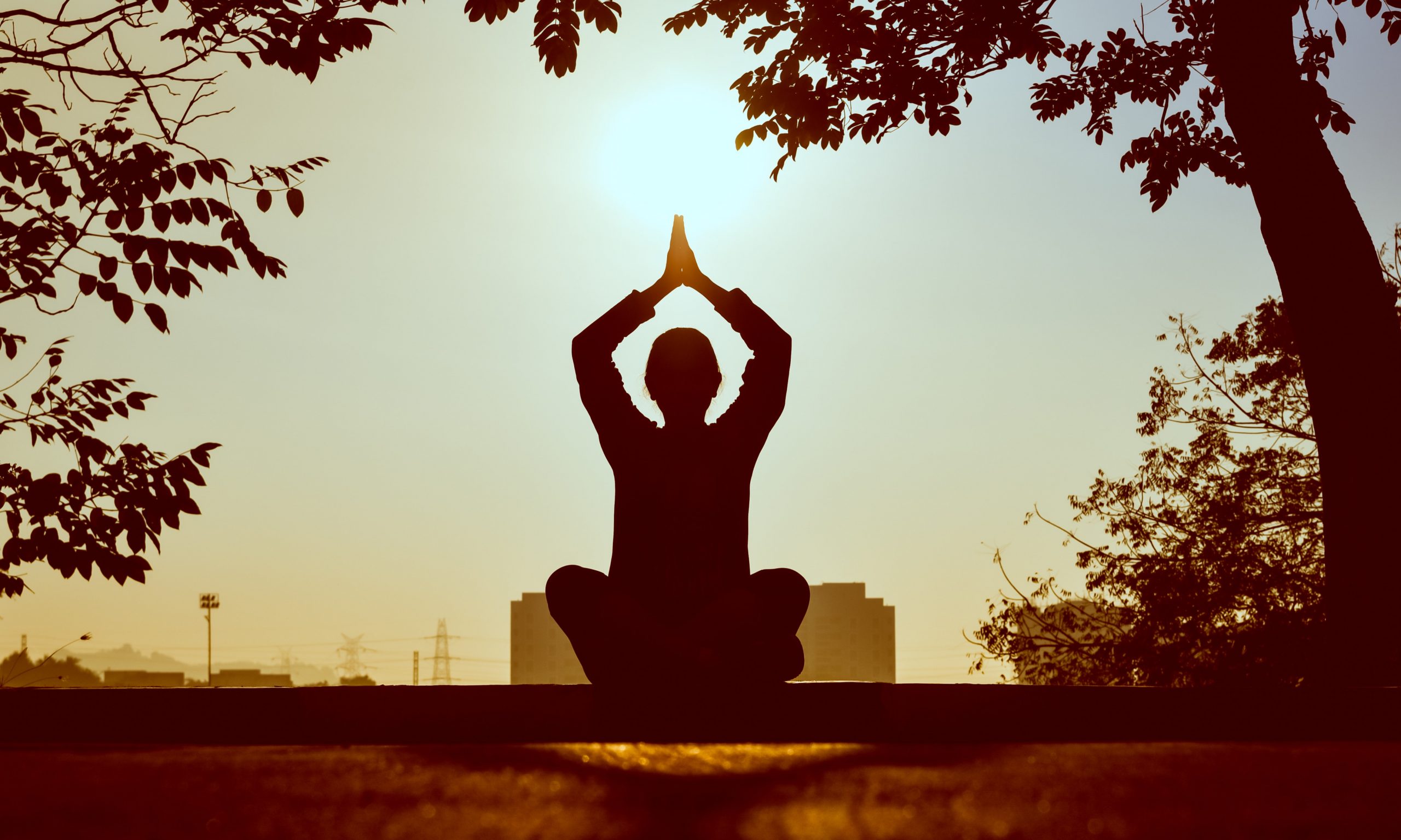
You can explore imagination and attention without promising to awaken psychic powers. Choose one of these eight optional exercises for a short reflection, rather than treating them as a course you must complete. They are not diagnostic tools, treatments or tests of extrasensory perception.
The APA describes visualisation as creating a visual image in the mind. A vivid image is not automatically information about an unseen world.
Before you begin
Choose a comfortable setting and stop whenever you wish. Keep your eyes open if you prefer. Use words or a simple drawing instead of visualisation. No special posture, breathing pattern or grounding ritual is required.
1. Imagine an ordinary object
Think about an apple, a cup or another familiar object. Describe its possible colour and texture. Then label the description “imagined” rather than “received.” You are practising a distinction, not creating an energy ball.
2. Notice the room
Choose three things you can observe through senses available and comfortable to you. Describe them simply: a colour, a sound or the texture of a sleeve. Avoid assigning a spiritual meaning to each detail.
3. Create a symbol
Draw a star or choose a word to represent an intention, such as patience. Write one ordinary action that could express it today. The symbol is your reminder, not evidence of energy entering your body.
4. Separate sensation from interpretation
Notice an ordinary sensation, if comfortable, without searching your body for a problem. “My hands feel warm” describes an experience; “I am sensing an aura” adds an interpretation. Do not treat warmth, tingling or pain as a diagnostic message.
5. Try a non-visual alternative
Describe a place in words instead of trying to see it internally. You may prefer language, sound or a sketch. There is no percentage of “third-eye openness” to measure and no requirement to make an image clearer.
6. Check your current priorities
Write three headings: rest, relationships and practical tasks. Add one thing you might need under each, then choose what is manageable. This is a planning prompt, not a chakra assessment.
7. Question an assumption
Choose a low-stakes thought, such as “My friend’s short message means they are annoyed.” List two other possibilities. If appropriate, ask them rather than deciding that a feeling reveals their inner state.
8. Practise listening with consent
Ask a willing partner to describe an everyday preference or experience. Summarise what they actually said and invite a correction. Swap roles if both want to. Do not claim to read their health, memories or aura.
For the assumption exercise, a useful note could read: “Observed: a two-word reply. Assumed: irritation. Other possibilities: they were busy or thought the answer was enough. Next step: ask only if the issue matters.” This is a fictional example, not a reading of that person’s thoughts. Explore checking an intuitive impression against ordinary information for a related approach.
What to record afterward
Write what you did, what you noticed and what remains uncertain. “Nothing stood out” is an acceptable result. You do not need to reinterpret every sensation as progress.
An imagined body picture does not reveal organ function, and manipulating imagined energy does not establish that healing has occurred. New or concerning symptoms deserve appropriate healthcare, not a visualisation-based diagnosis.
If your interest is symbolic card work, see cartomancy and its limits. If you plan to offer readings, start with consent and professional boundaries.
If you want to work with recurring symbols, try using symbols without turning them into instructions. Keep imagination, observation and interpretation distinct in your notes.
18 frequently asked questions
1. Do these exercises develop psychic powers?
They are reflection and observation activities, not proven methods for developing extrasensory perception. A vivid image or strong feeling does not establish a special ability.
2. Must I complete all eight exercises?
No. Choose one that interests you, adapt it or skip the entire activity. There is no required sequence or result.
3. What if I do not see pictures in my mind?
Use words, a sketch or a real object instead. The exercises do not require vivid imagery or closed eyes.
4. Is imagining an object the same as receiving information?
No. An image you deliberately create is imagination. Its detail or emotional force does not establish that it came from an external source.
5. How do I describe an observation clearly?
Use concrete language about what was available to your senses, such as a short message or a warm sleeve. Separate that description from what you think it means.
6. What is a useful symbol for the third exercise?
Choose an ordinary shape or word that reminds you of an intention. For example, a star could remind you to pause before replying; it does not need a universal meaning.
7. Can a warm or tingling sensation reveal an aura?
The sensation alone does not establish an aura. Do not use it to diagnose a condition or make claims about another person.
8. Can imagined body images find illness or blockages?
No. An imagined picture is not a medical scan. Seek appropriate healthcare for concerning symptoms rather than relying on an energy interpretation.
9. Do I have to search my body for sensations?
No. Skip the sensation exercise if it is uncomfortable or encourages worry. You can observe an ordinary object instead.
10. How can I question an assumption about a friend?
Name what actually happened, list other possible explanations and ask a respectful question if clarification matters. Do not insist that your feeling reveals their private thoughts.
11. Can I practise listening with a partner?
Only with clear consent. Summarise what the person actually said, invite corrections and accept their account rather than claiming hidden knowledge.
12. What if my partner says my summary is wrong?
Thank them and ask what you missed. The purpose is to listen accurately, not defend an interpretation.
13. What should I record after an exercise?
Record the activity, observations, imagined details and unresolved questions separately. A note that nothing stood out is a valid result.
14. Should I count every sensation as progress?
No. Ordinary sensations do not need a spiritual explanation. Avoid searching for confirmation that an exercise is working.
15. Should I keep going if I feel uncomfortable?
No. Stop, look around or choose another activity. Distress is not a requirement for completing a spiritual lesson.
16. Do I need special tools or purchases?
No. These activities can use familiar objects, a few words or an optional sketch. Paying for tools does not establish a psychic result.
17. Can I use these exercises in a paid reading?
Do not present their results as evidence of accuracy, health insight or access to private thoughts. Any shared reflective activity needs consent and a clear explanation of its limits.
18. How often should I practise?
There is no necessary schedule. Repeat an activity only if it remains useful and comfortable, and leave space for ordinary responsibilities and other interests.
The idea of visualizing energy and working with auras is interesting, but I wonder about the scientific backing of these practices. It would be helpful to see some references to research or studies that support these techniques.
I find the exercises engaging and potentially beneficial for personal growth. However, it’s important to approach such practices with an open but critical mind to ensure they align with one’s personal beliefs and experiences.
This article serves as an enlightening primer for anyone interested in developing their psychic abilities. The exercises are not only simple and accessible but also deeply engaging. The emphasis on grounding oneself before and after each practice is a crucial reminder that such spiritual work requires balance and patience. The idea of finding a mentor to guide one’s journey is also a wise suggestion that can help in achieving a deeper understanding and honing of these skills. Kudos to the author for providing such comprehensive and inspiring guidance!
A remarkably well-crafted piece that elucidates the foundational exercises for awakening one’s psychic abilities. The step-by-step approach and detailed explanations make it very approachable, even for those who might initially feel skeptical. I particularly appreciate the holistic nature of the exercises, which emphasize interconnectedness and balance between Earth and sky. This thoughtful collection of practices can indeed catalyze meaningful personal and spiritual growth for anyone willing to invest the time and effort. Truly an inspiring read!
While the article offers some intriguing exercises, one should be cautious about diving into psychic practices without a proper mentor. Seeking additional resources and validation from experienced practitioners is essential.
I agree. Having guidance from a mentor can prevent misunderstandings and ensure that one is on the right path. It’s important to have a balanced approach when exploring such realms.
Absolutely, a mentor can provide valuable insights and help navigate any challenges that arise. They can also offer a more personalized approach to training psychic abilities.
The exercises described in the article seem quite accessible for beginners. I appreciate the emphasis on taking things slowly and grounding oneself before and after each practice. It’s a thoughtful approach to developing psychic abilities.
The detailed exercises for handling energy and chakras are quite enlightening. It’s impressive how the article covers both the physical and spiritual aspects of psychic development.
Yes, and it’s great that they mention the importance of balancing and aligning chakras. It’s a fundamental part of maintaining overall energetic health.
Indeed, understanding the interconnection between physical sensations and spiritual energy is crucial. The exercises seem well thought out to cover multiple dimensions of psychic training.