

You do not need to lose awareness to benefit from a quiet pause. “Trance” is used in different ways in spiritual practices, entertainment and hypnosis. It should not be treated as a single ladder of levels that everyone must climb.
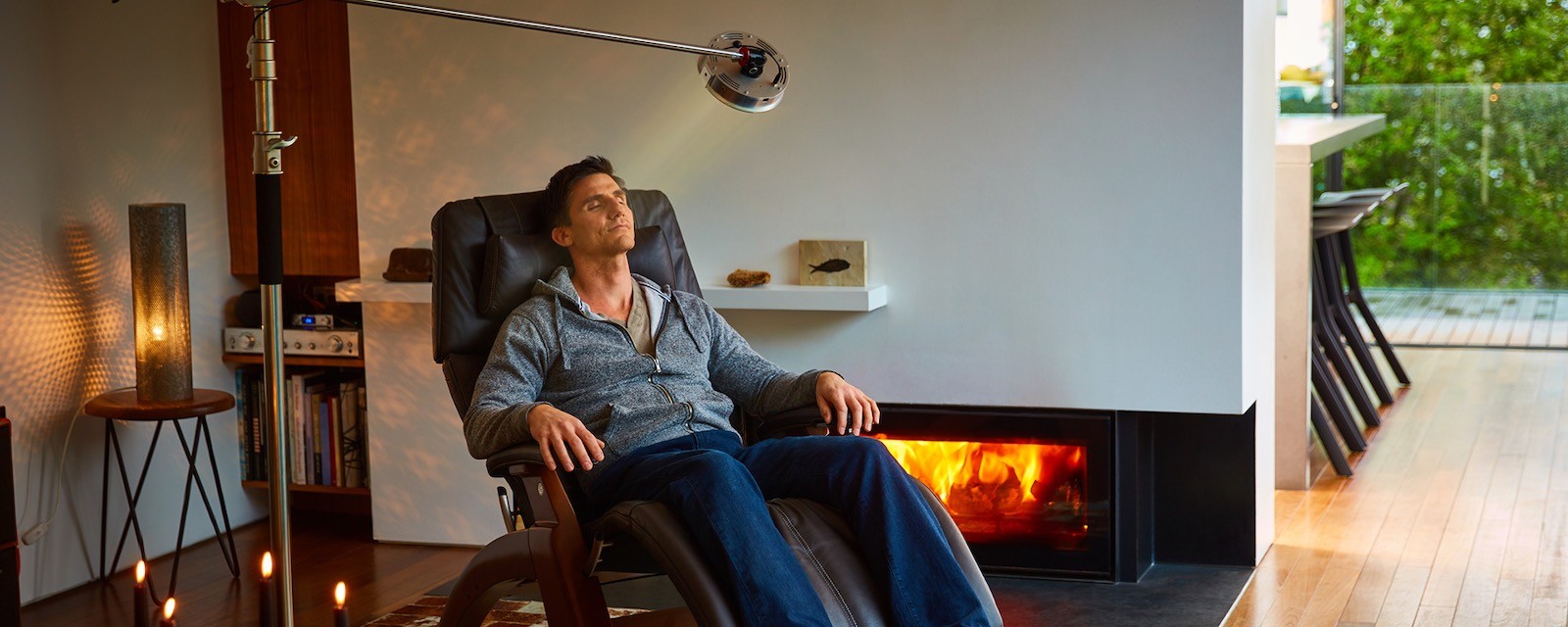
Image note: the cover is illustrative. It is not a recommendation of the pictured device or evidence of its effects.
Separate relaxation, absorption and treatment
Being absorbed in a book, feeling drowsy and participating in hypnosis are not interchangeable experiences. Nor does feeling different establish contact with spirits, reveal hidden truth or demonstrate that emotional pain has been repaired.
Clinical hypnotherapy has a specific purpose and requires appropriate assessment. NHS Wales describes agreeing goals and methods with a therapist; it is not a licence for someone to override your choices.
Try an ordinary pause instead of forcing a state
If you simply want a short moment of reflection:
- Choose a comfortable, safe place where you are not driving, operating equipment or responsible for an immediate safety task.
- Keep your eyes open if you prefer. Notice a few familiar objects in the room.
- Let your breathing remain natural. You do not need to make it faster, deeper or slower.
- Choose a neutral focus, such as the contact of your chair or an ordinary sound. Skip inward attention if it feels uncomfortable.
- Finish whenever you wish, look around and return to an everyday activity.
This is an optional attention exercise, not a trance induction, treatment or test of ability. Nothing special needs to happen. You can skip it entirely.
Do not chase intensity
This guide does not recommend hyperventilation, prolonged breath-holding, sleep deprivation, drugs, flashing-light devices or painful staring to change consciousness. You do not need a pendulum, a recording or a purchased device to justify taking a break.
Likewise, music and repeated words do not guarantee access to the subconscious or a spiritual message. Avoid any practice that asks you to ignore distress or surrender your right to stop.
Check suitability before hypnotherapy
The NHS cautions that hypnotherapy may be unsafe for people with schizophrenia, a history of psychosis or epilepsy. If you have a relevant health condition or are unsure, ask your healthcare professional before pursuing it.
Do not use an online exercise to recover supposedly hidden memories, diagnose a condition or replace treatment. A vivid image or feeling is not verification of an event.
Know when to stop
If you feel dizzy, frightened, detached or unwell, end the activity rather than trying to push through. Reorient to your surroundings and ask for support if needed. Seek medical advice for ongoing or unexplained symptoms; severe symptoms, loss of consciousness or immediate danger require urgent help.
Spiritual curiosity should leave room for safety, choice and ordinary life. Our practical boundary routines offer another way to begin and end reflective work without promises of an invisible shield.
Frequently asked questions
Do I need to enter a trance to explore spirituality?
No. You can reflect, pray, read or talk about spiritual questions without deliberately altering your awareness.
Is deeper trance always better?
No. Losing awareness is not a measure of spiritual progress. There is no need to pursue a more intense experience.
Can rapid breathing help me reach a special state?
This guide does not recommend rapid breathing, breath-holding or other methods intended to force altered awareness. Choose an ordinary pause or seek qualified guidance.
Is hypnotherapy suitable for everyone?
No. NHS guidance identifies safety concerns for some conditions, including psychosis and epilepsy. Discuss suitability with a qualified healthcare professional.
What should I do if an exercise feels frightening?
Stop, look around and return your attention to your surroundings. Seek support or medical advice if distress or unusual symptoms persist; get urgent help for an emergency.
This article provides a fascinating insight into the various levels of trance states and their practical applications. The breakdown of each trance level and the methods to achieve them are both enlightening and comprehensive. As someone who regularly practices meditation, I found the discussion on the light trance particularly relatable. It’s refreshing to see such a well-rounded exploration of this ancient practice.
Absolutely, the detailed steps for entering trance states are very helpful. I’ve always been curious about self-hypnosis, and this article has given me the confidence to explore it further. The emphasis on safety, especially concerning breath work, is much appreciated.
I couldn’t agree more with your assessment, Young Gordon. The historical context provided adds a rich layer of understanding to the trance states. It’s intriguing to see how different cultures have tapped into this metaphysical state for spiritual growth.
An excellent and thorough exploration of trance states! The explanation of how the conscious mind can hinder our growth is particularly thought-provoking. The variety of techniques provided, from breath work to using a pendulum, offers something for everyone. This piece has inspired me to incorporate some of these methods into my daily practice.
An excellent exploration of the trance state and its significance in various spiritual practices. The historical context provided, combined with the detailed explanation of different trance levels, offers a rich tapestry of knowledge. The practical methods suggested for attaining a trance state are particularly useful. This article serves as a valuable resource for anyone looking to deepen their spiritual practice or simply understand the mechanics of altered states of consciousness.
This article beautifully encapsulates the profound depths and nuances of trance states! The clarity with which the levels of altered consciousness are delineated is commendable. Moreover, the practical advice on how to enter these states, ranging from breath work to the use of pendulums, provides a comprehensive guide for both novices and seasoned practitioners. Truly, it’s an enlightening read that bridges ancient wisdom with modern understanding.