

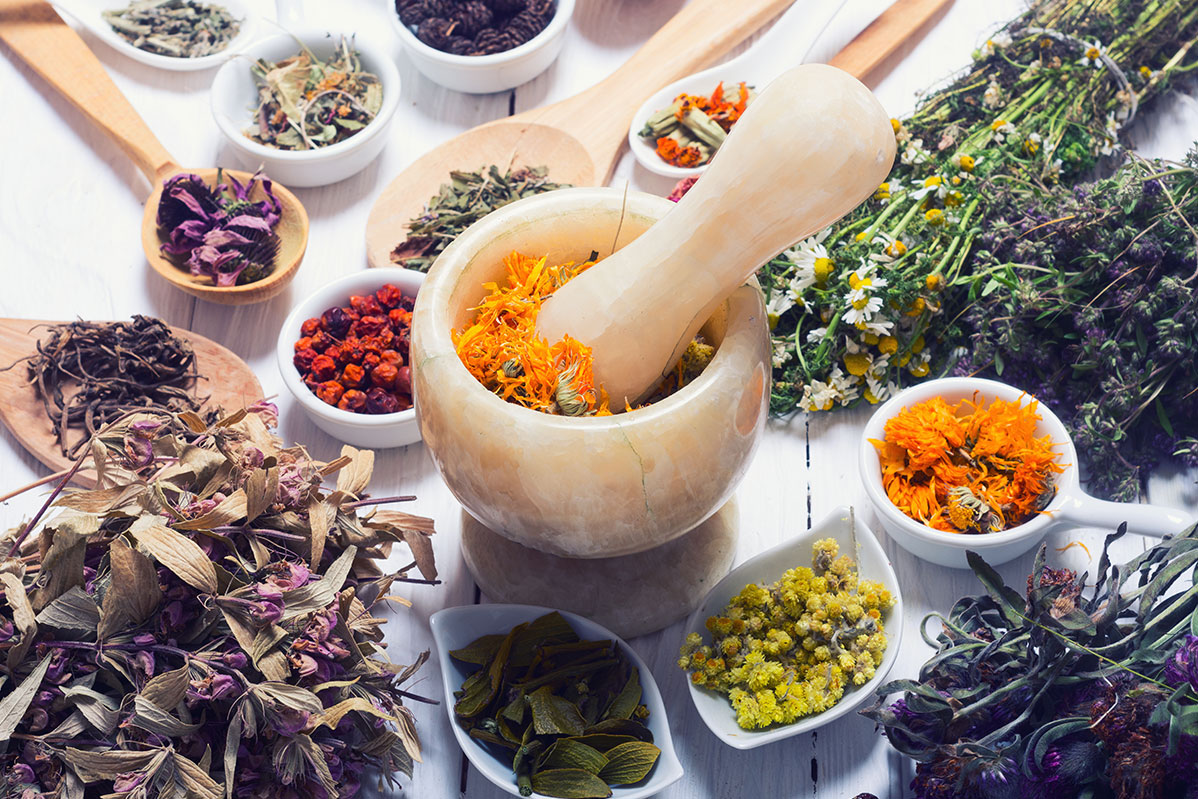
Herbs can have personal or symbolic meaning, but they should not be presented as a proven way to gain psychic powers. If a plant, scent or ritual helps you mark time for reflection, keep that purpose separate from claims about prophecy, healing or access to another person’s thoughts.
Five plants and aromatic materials often appear in psychic-development discussions. Their names are not a shopping list: you do not need a tea, smoking blend, supplement or oil to begin reflective practice.
Start with the claim, not the shopping list
Ask what an author means by “enhance.” A pleasant setting, a memorable dream and a correct prediction are different things. Feeling that a ritual was powerful does not establish that its ingredients caused a supernatural result. Look for a specific claim and evidence that actually addresses it; testimonials and product descriptions do not settle the question.
For example, a person might write down a dream after a scented evening ritual. That record can be interesting without being a forecast. Date the entry, preserve the original wording and resist reshaping it later to fit an event.
Five names you may encounter
Mugwort: separate dream claims from safety
Descriptions of mugwort as a gateway to prophetic dreams or astral travel should be treated as spiritual claims, not instructions or established effects. Do not assume that an online “dream herb” label makes drinking, smoking or applying it appropriate.
NCCIH’s mugwort fact sheet says human research is limited and evidence is insufficient to establish its safety or usefulness for health conditions. It advises against use during pregnancy and notes uncertainty during breastfeeding. Those cautions matter more than promises of spiritual protection.
Blue lotus: altered feelings are not verification
A product promoted for visions or heightened awareness does not become a reliable source of knowledge because a seller describes its effects as mystical. This guide does not recommend blue-lotus preparations, smoking it or combining it with alcohol or other substances. A change in perception is not evidence that an impression is accurate.
Frankincense: ritual meaning is not medical treatment
You may encounter frankincense in discussions of prayer, ritual or spiritual atmosphere. Personal meaning does not establish claims that it releases the soul from the body, immediately raises consciousness or treats physical weakness. Do not turn those descriptions into advice to swallow a resin or oil.
Cinnamon: keep food and spiritual promises distinct
Cinnamon may be familiar from cooking. That familiarity does not validate claims that it opens chakras, produces visions or heals someone. Culinary use, concentrated products and spiritual symbolism are different contexts; a claim about one should not be used to justify another.
Patchouli: a preference, not access to past lives
If patchouli appeals to you, that preference can be part of your personal aesthetic. Claims that it retrieves past-life memories or changes time itself go beyond describing a scent. Do not tell a client that disliking an aroma means they are spiritually blocked.
For a broader look at aromatic rituals, see oils, herbs and incense with clear safety boundaries. A fragrance preference should not become an explanation for another person’s health or spiritual status.
A safer, product-free reflection exercise
- Choose one ordinary question. Try “What do I need to clarify before taking on a new client?” rather than asking for a guaranteed prediction.
- Write what you already know. Separate facts, assumptions, emotions and unanswered questions.
- Notice an impression without treating it as an order. Record it in plain language and consider alternative explanations.
- Choose a practical next step. Ask a question, check a document or take time to decide.
- Review honestly. Keep mistaken impressions alongside useful ones. Do not count only apparent successes.
This exercise is for reflection, not a test or treatment. You do not need a special scent, smoke, purchase or physical sensation to do it.
Health and client-care boundaries
“Natural” does not automatically mean safe. NCCIH’s supplement guidance explains that herbal products can interact with medicines, create risks for some medical conditions and may have limited safety information for children or during pregnancy and breastfeeding. Discuss any proposed supplement with a qualified clinician or pharmacist who knows your circumstances.
In a reading practice, keep herbal prescribing outside the service. Do not recommend doses, diagnose an “energy” problem or pressure a client to buy a product to remove a blockage. Offer a scent-free, smoke-free option and respect a refusal without requiring an explanation. Never suggest replacing prescribed care with a spiritual routine.
For related professional guidance, see ethical boundaries for online readers and consent and mediumship etiquette.
If you prefer a different activity, try eight optional reflection exercises using ordinary objects, words or a sketch.
18 frequently asked questions
1. Can an herb prove that someone has psychic abilities?
No. A vivid dream, strong feeling or changed mood does not establish a psychic ability or the accuracy of a message.
2. Do I need herbs for reflection or intuitive journaling?
No. A clear question and a few words are enough. You can skip scents, smoke, teas and supplements entirely.
3. Does a powerful-feeling ritual prove its ingredients worked?
No. The experience and its explanation are separate. Feeling moved by a ritual does not establish a supernatural effect.
4. Is mugwort safe to use during pregnancy?
NCCIH advises against using mugwort during pregnancy. Ask a qualified health professional about herbal products rather than relying on spiritual-use instructions.
5. What is known about mugwort while breastfeeding?
NCCIH notes that little is known about its safety while breastfeeding. Do not treat limited information as reassurance that use is appropriate.
6. Does the name dream herb make mugwort suitable to drink or smoke?
No. A promotional label does not establish safety or a prophetic effect. This article does not provide preparation or use instructions.
7. Does blue lotus verify a vision?
A change in perception does not establish that an impression is accurate. Do not assume mystical marketing provides evidence of reliable knowledge.
8. Can frankincense replace treatment for physical weakness?
No. Ritual meaning does not make it medical care. Do not swallow a resin or oil because of a spiritual claim.
9. Does ordinary cinnamon in food prove a psychic benefit?
No. Culinary use, concentrated products and spiritual symbolism are different contexts. Familiarity with a food does not validate claims about visions or healing.
10. Does disliking patchouli mean I am spiritually blocked?
No. An aroma preference is not a test of spiritual status, access to past lives or willingness to grow.
11. Can natural products interact with medicines?
Yes. Herbal products and supplements can interact with medicines or pose risks in some circumstances. Discuss a proposed product with a clinician or pharmacist who knows your situation.
12. Should I stop medication to follow a spiritual routine?
No. Do not replace prescribed care with an herb or ritual. Discuss treatment questions with the appropriate health professional.
13. Should a psychic reader recommend herbal doses?
No. Keep herbal prescribing outside a psychic reading. Do not diagnose an energy problem or recommend doses as necessary for spiritual progress.
14. Can a client ask for a scent-free session?
Yes. Offer a scent-free and smoke-free option, and respect a refusal without requiring a personal explanation.
15. What should I do about an urgent sale of a cleansing product?
Pause and decline unwanted purchases. A frightening claim about a blockage does not establish that a product is necessary.
16. What question works for the product-free exercise?
Choose an ordinary question such as what you need to clarify before accepting a client. Separate facts, assumptions, feelings and unresolved details.
17. How can I keep a dream note without turning it into prophecy?
Date the note and preserve its original wording. Do not reshape it later to fit an event or leave out details that did not match.
18. What makes a practical next step useful?
It addresses a real uncertainty, such as asking a question or checking a document. It does not depend on buying a product or proving a supernatural result.
This is a beautifully written piece that highlights the profound relationship between herbs and spiritual well-being. The detailed descriptions of each herb’s attributes, particularly the Blue Lotus and its impact on chakra alignment, are captivating. It’s inspiring to see how such natural elements can aid in introspection and personal growth. A treasure trove of wisdom for anyone interested in holistic practices!
The article provides an enlightening overview of herbs and their traditional uses in enhancing psychic abilities. It’s fascinating to learn about Mugwort’s protective qualities and its application in astral projection. The inclusion of historical uses and the connection with zodiac signs adds a rich layer of depth. Truly, the synergy between nature and spiritual practices is remarkable!
The use of frankincense in ancient Egypt to facilitate spiritual ceremonies is something I’ve read about before. It’s compelling to see how such long-standing traditions still have relevance today.
I appreciate the detailed explanation of how each herb can be used to enhance different aspects of psychic awareness. The inclusion of both common and lesser-known herbs makes this article a comprehensive guide.
The historical context provided for each herb is quite fascinating. Understanding how different cultures have used these herbs adds depth to their modern applications. I’m particularly interested in trying mugwort for its protective properties.
While the article’s focus on herbs for enhancing psychic abilities is interesting, it would be beneficial to also discuss any potential side effects or contraindications associated with their usage.
The diverse applications of these herbs are intriguing, especially the use of blue lotus for spiritual awakening. It raises interesting questions about the biochemical mechanisms behind these effects.